The Assembly on paper
Three objects follow the movement from casting a ballot to making a decision on the Assembly floor. Each preserves a different trace of participation.
Casting a ballot
The photograph in the Sin Ik-hee collection records voting on 10 May 1948. Its archival description supplies an event and a date. It does not identify the polling station. This distinction matters when using an image to reconstruct the geography of the election.
In the atlas, Seoul marks the subsequent convening of the Assembly. The city marker should not be used to assign a location to this photograph. Consult the electoral evidence.

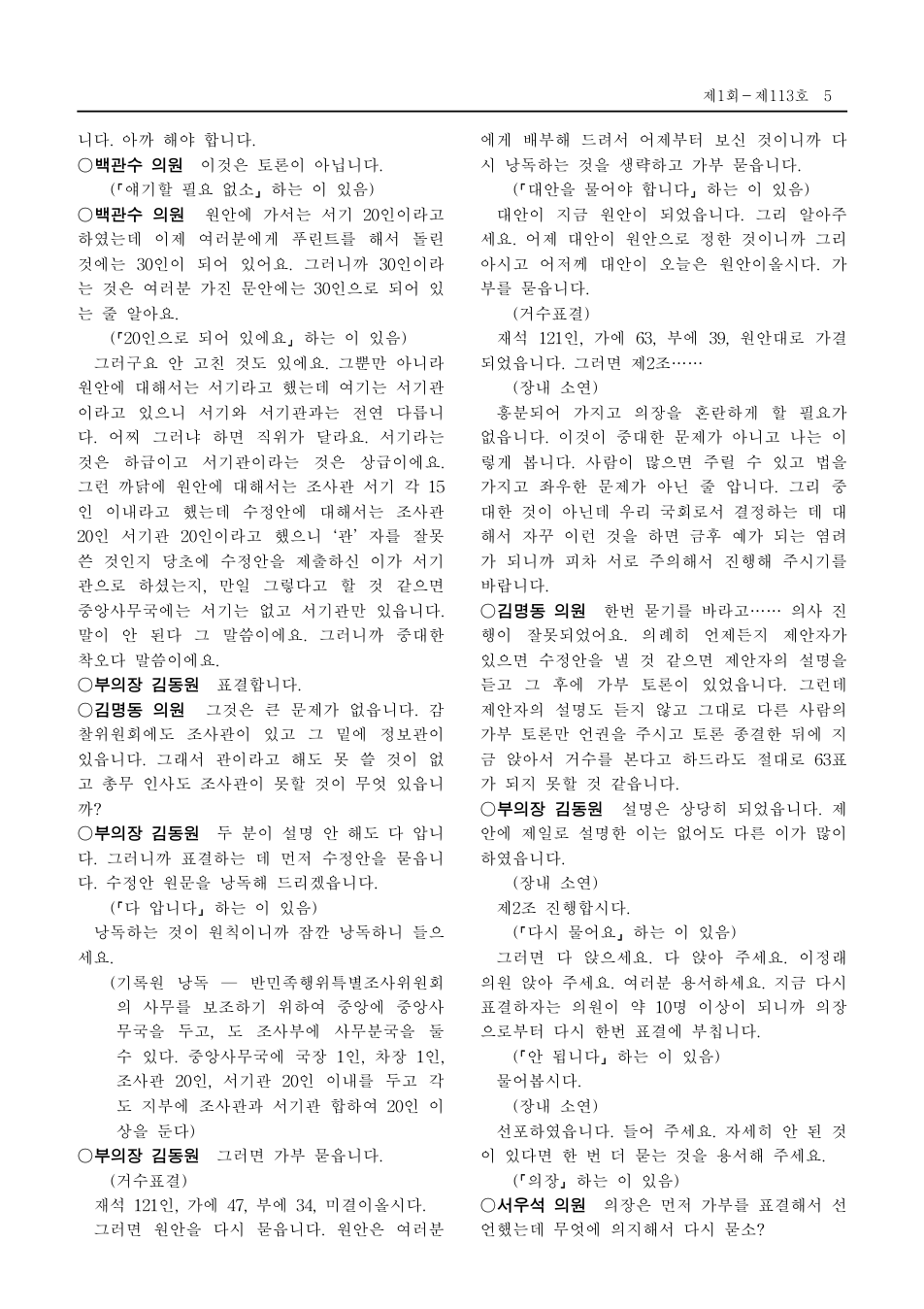
Appearing in public
The Signal Corps image places the viewer in central Seoul on 15 August. Flags, spectators, and the public setting make a national ceremony visible. To investigate the authority exercised by the new legislature, move from the image to the rules governing the chamber.
Read the National Assembly Act. Compare the procedural language of the statute with the order in which speakers appear in the November record.
Counting investigators
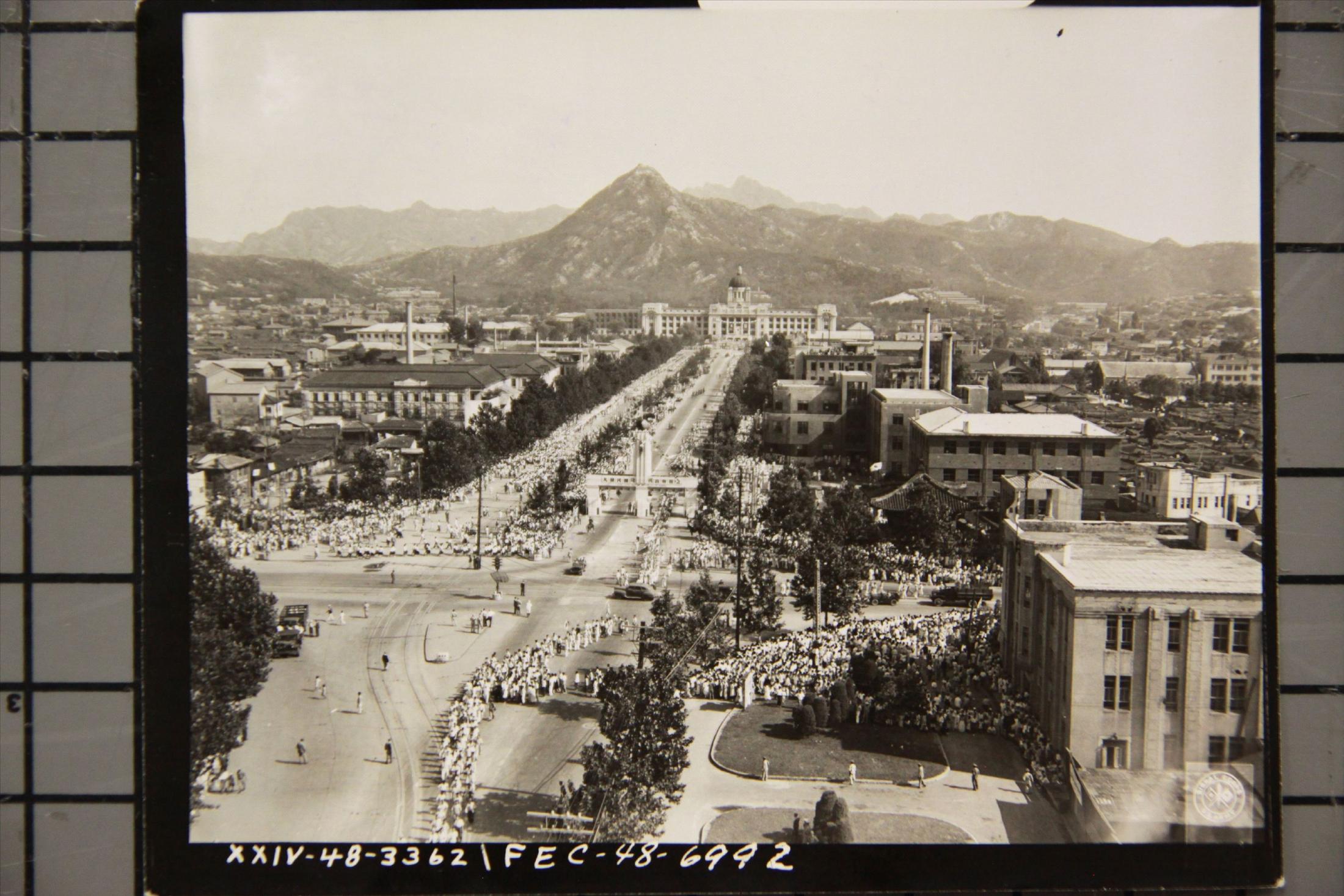
On 25 November members disputed how many staff an investigative body would need. The stenographic record preserves estimates and competing formulations. A number spoken during deliberation can describe a proposal that the Assembly later changed.
Compare printed pages 2 and 5. The archive’s textual note explains why the competing staffing figures require attention. Then read the seven articles of the enacted organizational law.